Source Customized Bicycle Fork Parts for MTB, Road, and Kids Bikes
Find customized bicycle fork parts for mountain, road, and kids bikes. Compare 30 listings with steel and aluminum frames, various finishes, and ISO certifications. Source reliable components for ordinary and specialized bicycles; compare the available evidence and request quotations based on your requirements.
Key considerations
Products List


Comprehensive Sourcing Guide
Customized Bicycle Fork Parts Sourcing Guide
Sourcing customized bicycle fork parts requires a strategic approach that balances specific technical requirements with supply chain reliability. Buyers must first define the precise application, whether for mountain bikes, road bikes, or standard bicycles, as this dictates the structural demands on the component. The observed data indicates that these parts are available for all ages and various bike types, including kids' bikes and ordinary bicycles. This versatility means that the procurement team must clearly specify the intended use case to avoid receiving components that do not match the load-bearing requirements of the target vehicle.
The market offers a wide range of options, with observed prices spanning from $0.09 to $50.90 per unit. This significant variance suggests that the final cost is heavily influenced by material selection, customization level, and order volume. Minimum order quantities (MOQ) range from 1 to 5,000 units, providing flexibility for both small-batch prototyping and large-scale production runs. Buyers should note that while samples are available, the final product specifications must be rigorously defined before committing to bulk orders. Understanding these baseline parameters helps in establishing realistic budget expectations and negotiating terms that align with the project's scale and timeline.
Product Scope and Observed Listing Signals
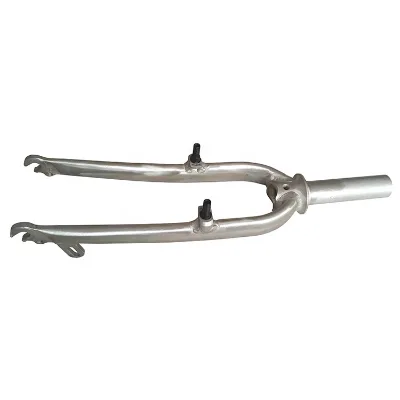
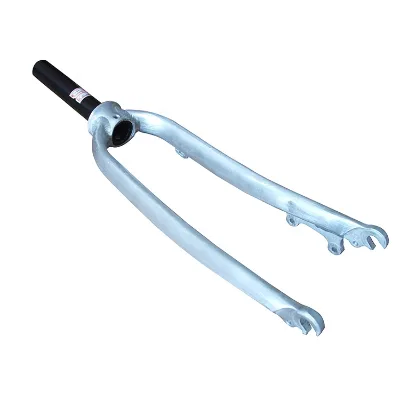
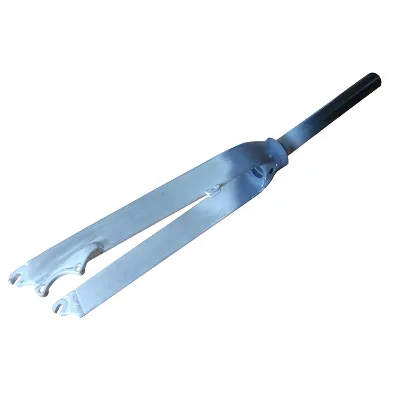
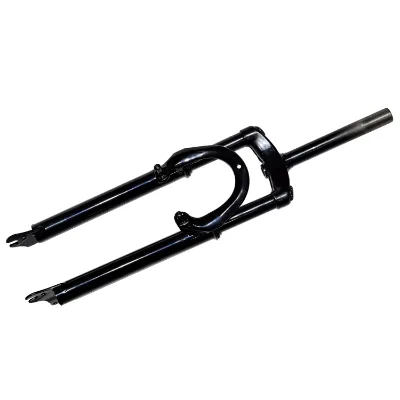
The product scope for customized bicycle fork parts includes both front and rear positions, although the term "fork" typically refers to the front assembly. Listings indicate that these components are available in new condition and are designed for applications ranging from mountain bikes to road bikes. The material composition is a critical differentiator, with options including aluminum, steel, and combinations of aluminum and steel. Frame material is often specified as steel, while rim materials may be aluminum or alloy. Buyers must clarify whether they are sourcing the entire fork assembly or specific sub-components, as the listings include items like derailleur sets and axle parts with bearings.
Observed listing signals reveal a high degree of customization potential, with colors available in colorful or customized options. The finish processes include Cp, UCP, and ED, which affect both the aesthetic appearance and the corrosion resistance of the parts. Packaging is generally standard, with options for cartons or boxes, ensuring safe transit for delicate components. The origin of these products is predominantly Hebei, China, specifically Xingtai, which is a known hub for bicycle manufacturing. This geographic concentration allows buyers to potentially consolidate shipments with other bicycle components, reducing logistics costs. However, buyers should verify the specific origin of each batch to ensure consistency in quality and compliance with local import regulations.
Technical Specifications to Verify
Technical verification begins with confirming the wheel diameter, as listings specify 26-inch wheels for certain models. This dimension is critical for ensuring compatibility with the existing frame and tire setup. Buyers must also verify the bearing specifications, such as the 60002RS size, which impacts the smoothness and durability of the fork's movement. The durometer is listed as hard, indicating a rigid structure suitable for high-stress applications. Additionally, the axle parts may include bearings, which must be checked for proper fit and quality. These technical details are not always apparent in initial listings, so detailed data sheets or technical drawings should be requested from the supplier.
Customization options extend to the saddle shell material, which can be alloy or imitation leather, though this is more relevant for complete bike assemblies than isolated fork parts. For fork-specific components, the focus should be on the frame material and finish. The finish process, such as Cp, UCP, or ED, must be compatible with the intended environment, particularly if the bike is used in wet or corrosive conditions. Buyers should also confirm the position of the part, whether front or rear, to avoid ordering incorrect components. Model numbers like HC-PJ-120, HC-PJ-096, and HC-PJ-063 provide specific identifiers that can be used to track inventory and ensure consistency across orders. Verifying these specifications against the project requirements is essential to prevent costly returns or rework.
Compliance and Safety Documentation
Compliance documentation is a critical aspect of sourcing bicycle components, particularly for international markets. Listings indicate certifications such as ISO, CE, and ISO9001 SGS, which provide assurance of quality management and safety standards. However, buyers must verify that these certifications are current and applicable to the specific product batch being ordered. The presence of a certification mark on a listing does not guarantee that every unit meets the standard, so third-party testing or audit reports may be necessary. For example, ISO9001 certification indicates a robust quality management system, but it does not replace the need for specific product safety tests.
Safety documentation should include material safety data sheets (MSDS) for any chemical finishes or coatings used in the manufacturing process. This is particularly important for parts that may come into contact with the rider or be exposed to environmental factors. Buyers should also request test reports for load-bearing capacity and fatigue resistance, especially for mountain bike applications where the fork is subjected to significant stress. While the listings mention "hard" durometer and "new" condition, these are general attributes that do not substitute for detailed safety data. Ensuring that all documentation is complete and up-to-date helps mitigate legal risks and ensures that the product meets the safety expectations of the end-user.
Cost Drivers and Commercial Terms
Cost drivers for customized bicycle fork parts are primarily influenced by material selection, customization complexity, and order volume. Aluminum and steel are the primary materials, with steel often used for the frame and aluminum for lighter components. The finish process, such as Cp, UCP, or ED, also adds to the cost, as these processes require specialized equipment and expertise. Customization of color and design can further increase the price, particularly if unique molds or tooling are required. Buyers should request a detailed cost breakdown to understand which factors are driving the price and where potential savings can be achieved.
Commercial terms include price terms such as CIF, CNF, Fob, and EXW, which determine the responsibility for shipping and insurance. Buyers should choose the term that best fits their logistics strategy and risk tolerance. For example, EXW terms place the responsibility for shipping on the buyer, which may be advantageous if they have established logistics channels. MOQ ranges from 1 to 5,000 units, allowing for flexibility in order size. However, larger orders may qualify for volume discounts, so buyers should negotiate terms based on their projected demand. Payment terms and lead times should also be clarified, as these can impact cash flow and project timelines.
Supplier Qualification and Quality Control
Supplier qualification involves assessing the manufacturer's capability to produce customized bicycle fork parts to the required specifications. Buyers should review the supplier's production capacity, quality control processes, and track record of delivering on time and within specification. The origin of the products, primarily Hebei, China, suggests a well-established manufacturing base, but individual suppliers may vary in their capabilities. Requesting a factory audit or visiting the facility can provide valuable insights into the supplier's operations and quality standards. Additionally, checking for certifications such as ISO9001 can provide a baseline level of assurance.
Quality control measures should include incoming inspection of raw materials, in-process checks during manufacturing, and final inspection before shipment. Buyers should agree on the acceptance criteria and sampling plans with the supplier to ensure that the products meet the required standards. For customized parts, it is essential to verify that the customization is applied correctly and consistently across all units. This may involve checking color, finish, and dimensions against the approved samples. Establishing a clear communication channel with the supplier for addressing any quality issues is also crucial for maintaining a smooth procurement process.
Long-Term Procurement Checks
Long-term procurement checks focus on ensuring the sustainability and reliability of the supply chain. Buyers should monitor the supplier's financial health and production capacity to ensure that they can meet future demand. Changes in raw material prices, such as aluminum and steel, can impact the cost of the parts, so buyers should consider locking in prices or negotiating long-term contracts. Additionally, monitoring the supplier's compliance with environmental and labor standards is important for maintaining a responsible supply chain. Regular audits and performance reviews can help identify any issues early and allow for corrective actions.
Diversifying the supplier base can also reduce risk by providing alternative sources in case of disruptions. While the primary origin is Hebei, China, exploring other regions or suppliers can provide backup options. Buyers should also keep updated documentation and specifications for the parts to ensure consistency across different suppliers. This includes maintaining a library of approved samples, technical drawings, and test reports. By implementing these long-term checks, buyers can build a resilient and efficient procurement process that supports the ongoing success of their bicycle product line.
FAQs
Can I get customized bicycle fork parts with specific certifications?
Yes, customized bicycle fork parts are available with ISO and CE certifications. These products originate from Hebei, China, and meet standard quality requirements. Buyers can request specific certification documents to ensure compliance with international safety and manufacturing standards for their orders.
What materials are used for the frame and rim of these parts?
The frame material is steel while the rim material consists of aluminum or alloy. Some products also utilize a combination of aluminum and steel. This material selection ensures durability and appropriate weight distribution for various bicycle types including mountain and road bikes.
Which specifications are available for the wheel diameter and model?
Available specifications include a 26-inch wheel diameter and models such as HC-PJ-120, HC-PJ-096, and HC-PJ-063. These models cater to different bicycle applications. Buyers should verify the exact model number against their specific bicycle requirements before placing an order.
How is the product packed and what is the origin location?
Products are packed in standard cartons or boxes depending on the specific item. The origin location is Xingtai, Hebei, China. This packaging ensures safe transport while the location indicates the manufacturing hub for these customized bicycle fork parts and related components.
Can I order samples and what is the minimum order quantity?
Samples are available for evaluation before bulk purchasing. The minimum order quantity ranges from 1 to 5000 sets depending on the supplier. Buyers can negotiate specific MOQ terms based on their project needs and the customization level required for the bicycle fork parts.
What finish processes are applied to the aluminum and steel parts?
The finish processes include Cp, UCP, and ED treatments applied to the materials. These processes enhance surface durability and aesthetic appeal. The specific finish chosen depends on the product model and the customization requirements agreed upon between the buyer and the manufacturer.
Which bicycle types are compatible with these customized fork parts?
These parts are compatible with ordinary bicycles, mountain bikes, road bikes, and kids bikes. The application covers all ages and various riding styles. Buyers should confirm the specific model compatibility with their existing bicycle frame to ensure proper fit and performance.